
Aerospace & Aviation
Aerospace engineering generates massive volumes of simulation and test data across aerodynamics, structures, and thermal systems.
Unify simulation and test datasets across programs, compare design variants and performance metrics and automate validation workflows across experiments
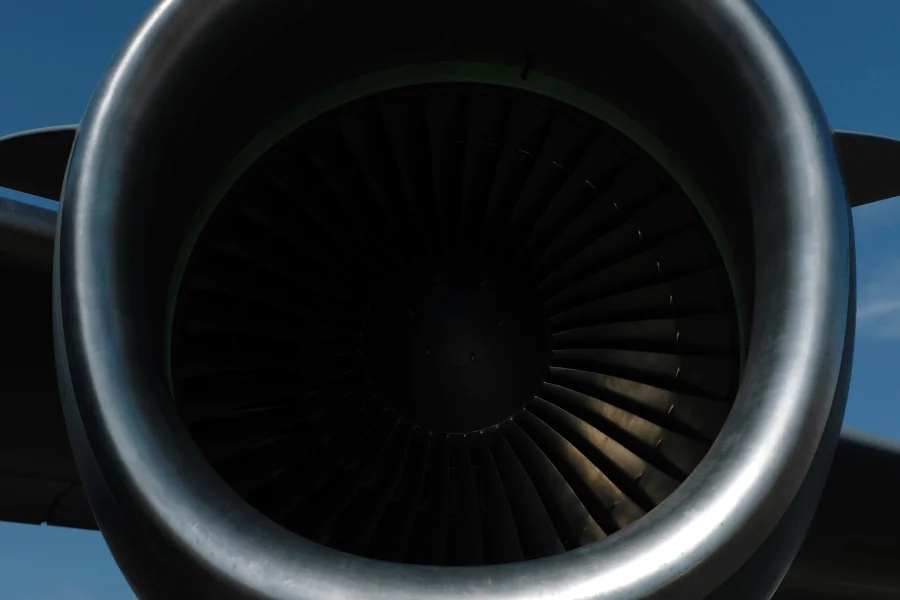
Beyond Aero Accelerates Aerodynamic Design for Next-Generation Aircraft
Our Impact


Automate validation workflows across experiments

Compare design variants and performance metrics

Unify simulation and test datasets across programs
Thousands
of dollars saved per design iteration, resulting in multi-million-dollar savings per program
90%
reduction in simulation and compute costs
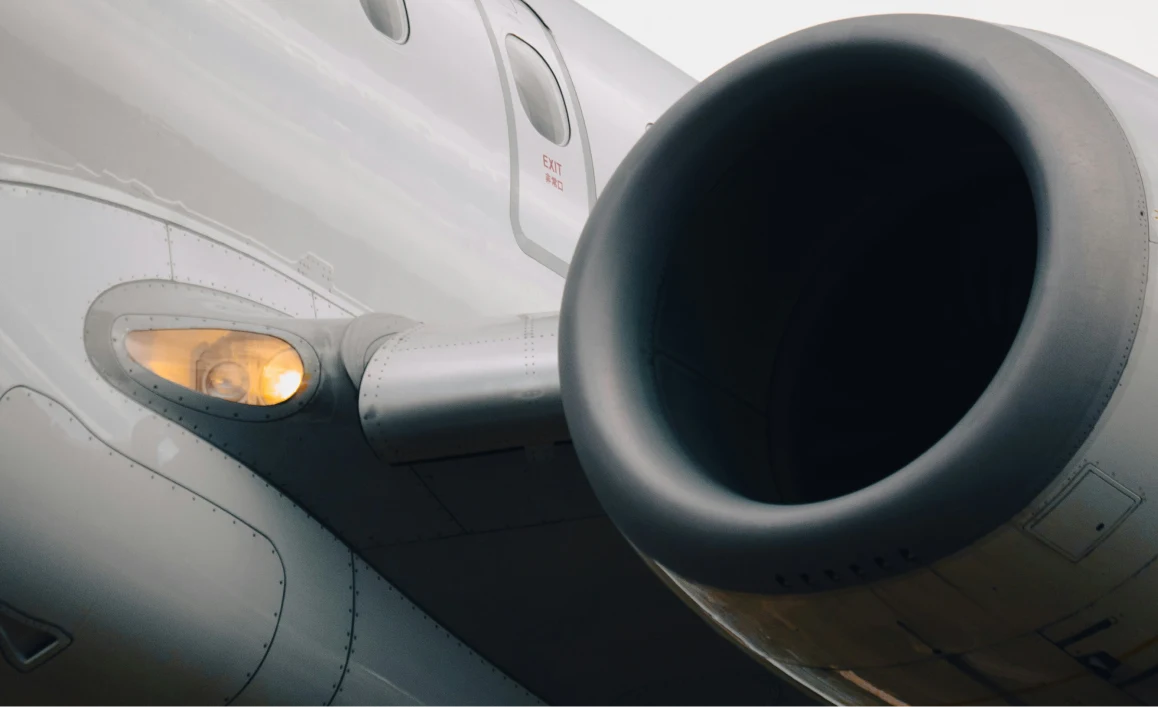
Aerospace engineering programmes are defined by two constraints that pull in opposite directions: the highest fidelity requirements of any engineering discipline, and the longest development timelines of any manufacturing sector. High-fidelity CFD simulations for a single aerodynamic configuration can cost between $200 and $10,000 per run. A full development programme can exceed 50,000 simulation cycles. At that scale, the cost and time of brute-force simulation is not just expensive, it is the primary constraint on how thoroughly a design space can be explored.
The aerospace data challenge
Aerospace engineering organisations generate data across structural analysis, aerodynamic simulation, propulsion testing, materials characterisation, and systems integration, each producing outputs in different formats, managed by different teams, stored in different systems. Correlating simulation predictions against physical test results is a manual, time-consuming process. Reusing simulation data from one programme to accelerate the next is rarely possible without significant rework. The institutional knowledge embedded in a completed DoE study is effectively lost the moment that programme concludes.
For engineering VPs managing multiple concurrent programmes, the inability to access structured, queryable data across programmes means every decision is slower and every resource allocation is less informed than it should be.
What Key Ward does for aerospace engineering teams
Key Ward structures CFD, structural, and systems simulation data alongside physical test results into a unified engineering data layer that enables two things conventional simulation workflows cannot: reduced order modeling and programme-to-programme knowledge reuse.
Reduced order models trained on existing simulation data predict aerodynamic performance metrics, lift, drag, pressure distribution, in seconds, without running full CFD. Engineers use the ROM to explore the design space broadly, identify the highest-value configurations, then apply high-fidelity simulation selectively where accuracy matters most. Beyond Aero, developing hydrogen-electric aircraft, used this approach to move beyond brute-force simulation and achieve millions of dollars in savings per programme while maintaining physics fidelity.
For structural and systems data, Key Ward's pipeline architecture connects simulation outputs from Ansys, Nastran, and CATIA alongside test data from structural benches and flight test systems into structured, queryable datasets. Validation workflows built once can be reused across programmes, carrying forward the analysis logic, KPI definitions, and anomaly detection thresholds that would otherwise be rebuilt from scratch on every new programme.
Aerospace use cases
- Aerodynamic design space exploration using ROM-based CFD acceleration.
- Structural validation data management across concurrent programmes.
- Propulsion system simulation and test data correlation.
- Materials testing data structuring for certification workflows.
- Hydrogen and alternative fuel propulsion development data infrastructure.
Explore
Aerospace
Case Studies


Beyond Aero Accelerates Aerodynamic Design for Next-Generation Aircraft



.svg)

